Story by Riley Rohler
The Leading the Way in Missouri initiative, presented by the Hook Center for Educational Leadership & District Renewal, honors educational leaders who are making a lasting difference in Missouri’s schools and communities. The 2026-27 honorees were selected for their commitment to leadership, collaboration and positive outcomes for students and families. Miranda Clines, director of the University of Missouri Child Development Lab, is one of four leaders recognized this year for building a culture where collaboration, shared leadership and community engagement guide decision-making.
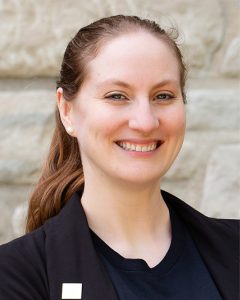
For nearly 110 years, the Child Development Lab (CDL) at the University of Missouri has served children and families while preparing future educators and clinicians for careers supporting young learners and their families. As the oldest accredited and licensed early childhood education center in Missouri, CDL has a long and distinguished history. Today, Director Miranda Clines is helping shape its future through a leadership approach centered on shared governance, collaboration and care for the entire CDL community.
Clines sees the work of educating and supporting the next generation as something much bigger than a career.
“This isn’t a vocation for me, this is a social justice movement,” Clines said. “In my opinion, it’s the most important work in the world, and I want to dedicate everything I have to ensuring the success of the mission of education.”
Under Clines’ leadership, CDL became the first center designated as a quality early childhood education program under Missouri’s new Quality Assurance Report (QAR) system. CDL also recently earned national recognition through the National Association for the Education of Young Children (NAEYC). These achievements reflect the culture Clines has worked to build, one that values shared decision-making, supports staff and students and keeps families at the center of conversations about the school community.
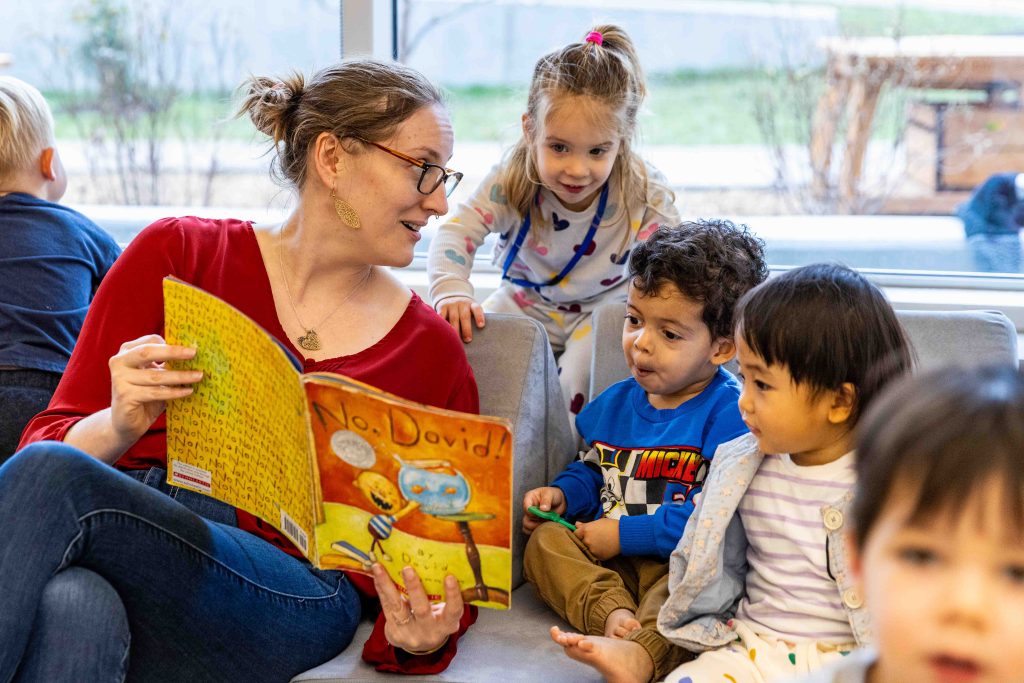
Shared governance as a foundation
Shared governance is central to Clines’ approach to leadership. She believes everyone connected to CDL should have an opportunity to contribute, regardless of their role.
“I believe that everybody has a right to respect and autonomy regardless of their age and the role they’re in, and so we need to give that to them, give them a voice and listen.”
For Clines, creating that opportunity means building structures where people can share their experiences, raise concerns and work together toward solutions. One example is the Family Advisory Board, which meets monthly and includes a director’s report from Clines as well as an open forum for staff and families to discuss their experiences, questions and challenges. The board provides a space for members of the CDL community to engage in dialogue and work through potential solutions together.
Clines’ leadership approach has led to tangible changes. When parents raised concerns about the use of artificial intelligence at the school and among student workers, Clines worked quickly to develop a policy addressing those concerns.
“Miranda asks each representative for their perspective and takes suggestions and recommendations and puts them into action,” said CDL parent and Family Advisory Board member Casey McCormick. “Parents expressed concerns over AI usage at the school and among student workers. Miranda quickly developed a solid AI policy.”
Clines has created a similar space for staff through a monthly “Problem of Practice Lunch Hour.” During these conversations, staff members bring forward ideas, classroom challenges and questions about current practices and policies. Together, they discuss different perspectives, consider possible solutions and vote on how to move forward. Any solution selected must still meet accreditation and licensing standards.
Together, the Family Advisory Board and the Problem of Practice Lunch Hour demonstrate how Clines has made shared governance a regular part of the CDL community. Rather than limiting decision-making to one person, she creates opportunities for the people closest to the work to help shape how the school operates.
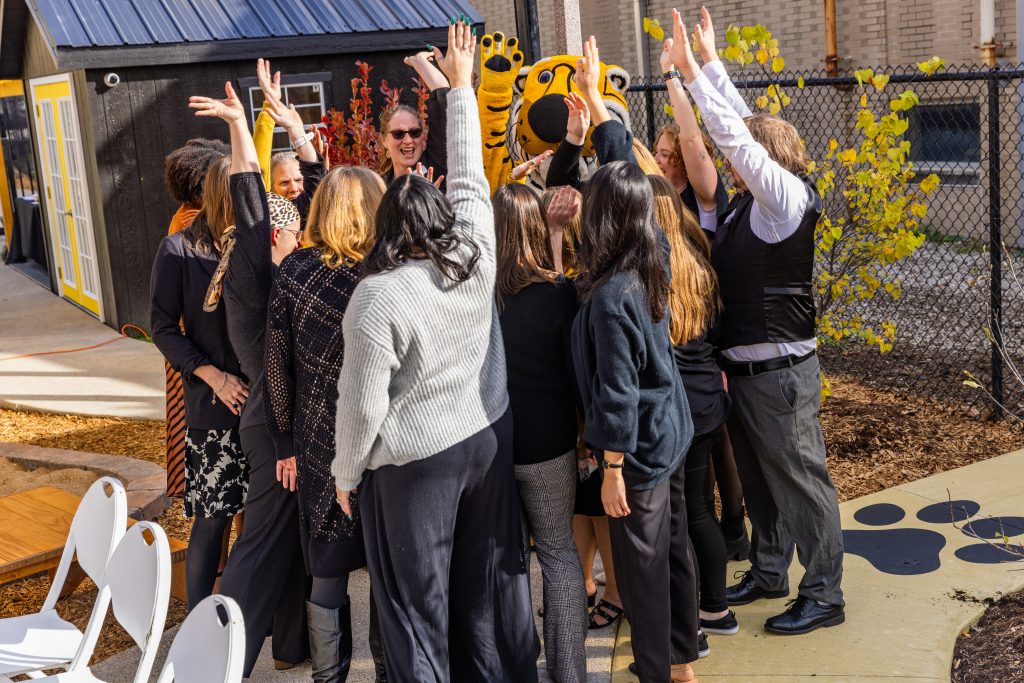
Supporting the CDL community
Clines’ leadership extends beyond creating opportunities for others to have a voice. She is intentional about supporting the staff, students and families who make up the CDL community.
McCormick described the way Clines supports staff and builds connections across CDL:
“She goes above and beyond for her teachers. Their well-being and development come second only to student safety and well-being. Monthly teacher development events are planned and implemented by Miranda. She has orchestrated multiple events to foster a sense of community, including the Fall Feast at Thanksgiving, cookie decorating at Christmas, Pastries with Pals, Teacher Appreciation Week and Graduation.”
Clines views caring for staff as directly connected to caring for children.
“Well teachers make well children,” she said.
She believes that when educators are supported, they are better positioned to meet children’s needs.
Professional development opportunities and dedicated time off are two ways Clines prioritizes the well-being of her team. She applies that same listening-centered approach to supporting families.
Clines believes listening to families is one of the best ways to identify the resources and support they need.
“If families are saying, ‘Hey, I’m struggling, my child isn’t sleeping well,’ then I feel like it’s my responsibility to help find them a resource,” Clines said. “Let’s host a play-and-learn night. Let’s learn together about how we can support healthy sleep habits because I’m sure they aren’t the only family struggling with that.”
For Clines, supporting children means considering the needs of the entire family. When parents and caregivers have access to support and resources, children are better positioned to thrive in the classroom. Her approach is grounded in listening first and finding meaningful ways to respond.
The commitment Clines has to CDL is also visible in everyday moments when she steps in wherever she is needed.
“Miranda steps in wherever there is a need at CDL,” McCormick said. “She leads classrooms when there is a call-out, cooks meals when the school chef is out and communicates constantly with families. She knows every child’s name and interests. As a parent, I know my child is well cared for at CDL because of Miranda, and that feeling is priceless.”
Building confidence and capacity
Leadership, for Clines, is ultimately about creating conditions that allow others to grow. Whether she is listening to a family’s concern, helping staff solve a classroom challenge or creating opportunities for professional development, she wants the people around her to feel heard, supported and capable of making a difference.
“I really want to bolster people’s confidence and belief in themselves, in their current role and in their future roles,” Clines said. “My hope is that people leave their employment with me feeling inspired to change the world in whatever capacity matters most to them.”
Clines’ leadership philosophy extends beyond the day-to-day operations of the Child Development Lab. By giving people a voice in decisions, responding to the needs of families and staff and investing in the growth of those around her, she is building a community where leadership is not limited to one person. It is something shared across the CDL community, with each individual playing a role in supporting children and shaping the future of early childhood education.