By Gabrielle Malfatti and Emily Kebert
Studying or teaching abroad is one of the most meaningful ways students can learn beyond the classroom. Whether you’re interested in education, human development, counseling, or community-based work, global experiences offer the chance to step into new cultures, challenge assumptions, and grow in ways that last long after you return home.
Students who participate in global experiences consistently describe them as formative, personal, and deeply human. Here are five reasons why.
1. See the world and build relationships that last
For many students, studying abroad is their first time leaving the United States. It is also often their first opportunity to build relationships with people whose daily lives look very different from their own.
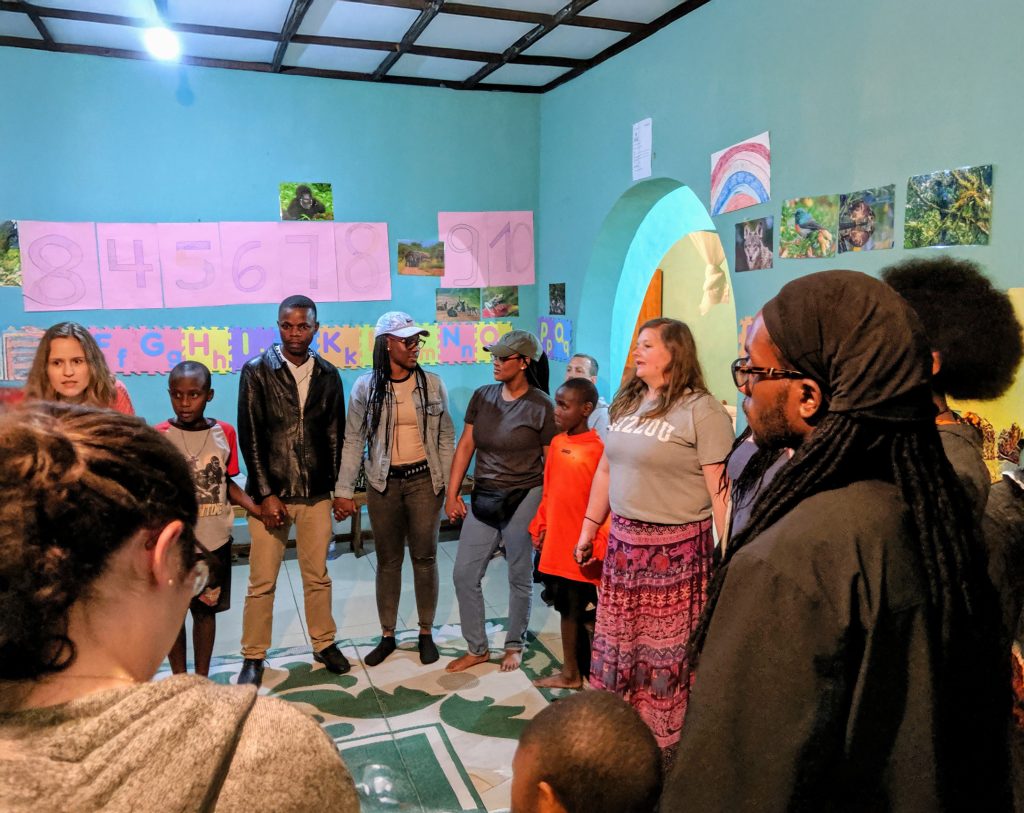
“Before college, I had never traveled outside the U.S.,” said Amanda Montgomery. “Spending time in schools and communities in India and Rwanda completely changed how I see the world. I also formed relationships that I still carry with me years later.”
Through thoughtfully designed programs, students expand their comfort zones, develop global friendships, and grow professional and personal networks that stretch far beyond Missouri.
2. Learn what it feels like to be the learner
Being immersed in a new language or educational setting can be eye-opening, especially for students planning to work with diverse populations.

Through thoughtfully designed programs, students expand their comfort zones, develop global friendships, and grow professional and personal networks that stretch far beyond Missouri.
2. Learn what it feels like to be the learner
Being immersed in a new language or educational setting can be eye-opening, especially for students planning to work with diverse populations.

“This experience changed how I show up for my students,” said Kayla Gorrell, who has taught in both rural and urban Missouri schools. “It helped me bring global perspectives into my classroom and encourage curiosity, empathy, and understanding.”
Students return with stories, examples, and ways of thinking that enrich their future workplaces and help them connect learning to the wider world.
4. Learn more about who you are
Stepping into a new culture often leads students to reflect more deeply on their own identities, values, and sense of purpose.

“Traveling to places where culture shapes daily life made me realize how much more there was to learn about myself,” said Madison Sisco, who studied abroad in Portugal and Spain.
Reflection is a key part of global experiences. Through journaling, discussion, and shared moments, students often return home feeling more confident, independent, and grounded in who they are.
5. Center people in everything you do
At the heart of education abroad are human connections. Conversations, shared experiences, and moments of vulnerability shape how students approach their work and relationships long after the program ends.
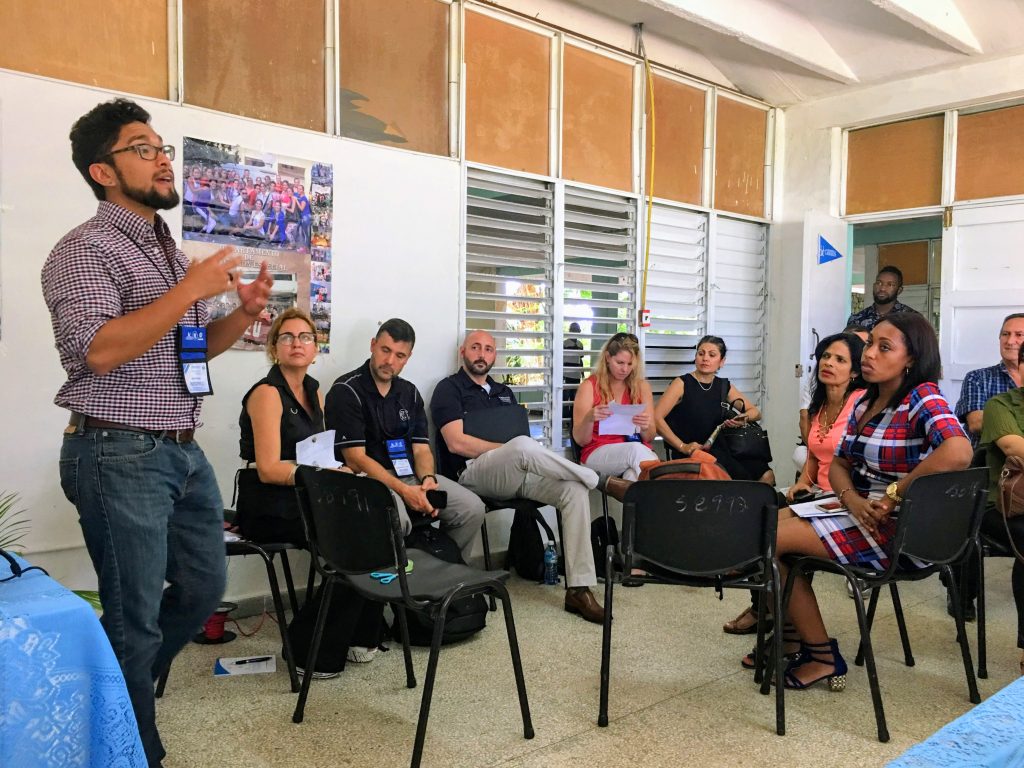
“The relationships I built abroad continue to shape how I think about community and learning,” said David Aguayo, Ph.D. “Those experiences still guide how I center people in my professional work.”
Global experiences encourage students to listen more closely, lead with empathy, and value perspectives beyond their own.
Studying or teaching abroad is not just about where you go. It’s about how you grow, who you meet, and how those experiences shape the way you engage with the world.
Learn more about studying abroad this summer!
Educational and Cultural Experiences Abroad: Lisbon and Seville
Learning and Teaching in Intercultural Settings in Greece

Gabrielle Malfatti
Director of Global Engagement
Educational Leadership & Policy Analysis
email Email
phone 573-882-0732
place 107 Hill Hall