The power of partnership: program pairing educator mentors with student teachers has statewide impact
Story by Sarah Salmons
Photo by Morgan Solomon
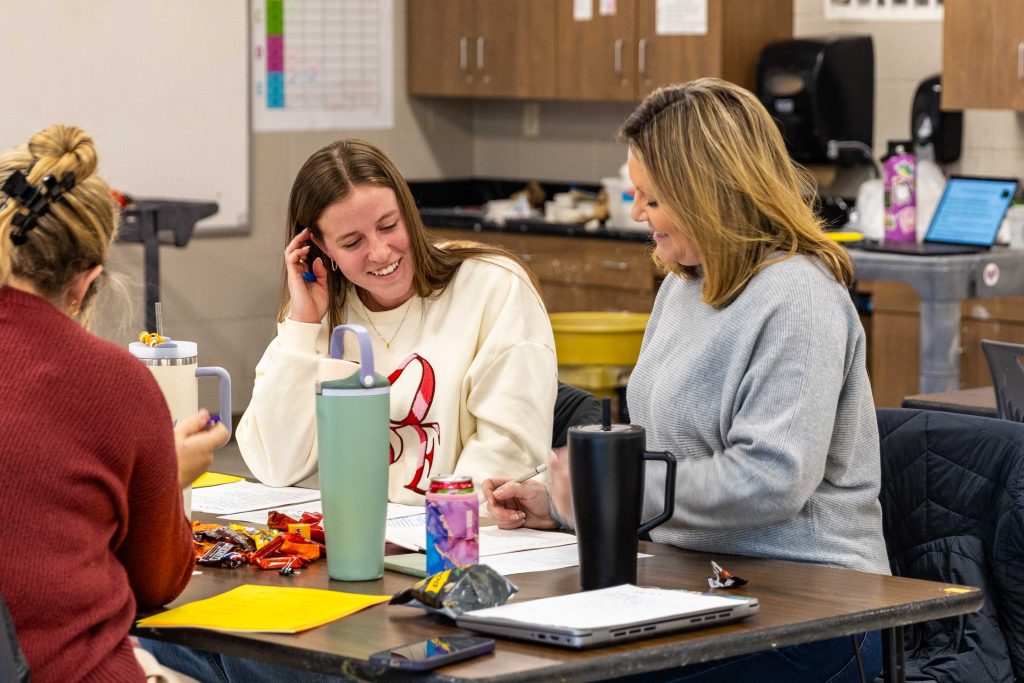
From rural elementary classrooms to suburban secondary schools, a growing partnership between the University of Missouri and school districts across the state is helping strengthen Missouri’s future teacher workforce — one mentor relationship at a time.
This year, the program connected 95 educator mentors with 95 student teachers across 21 elementary schools, four middle schools and four high schools throughout Central Missouri. Participating districts included Columbia Public Schools, Southern Boone, Hallsville, Harrisburg and Camdenton, with additional elementary schools from Mexico, Jefferson City, Fulton, Boonville and New Franklin joining online sessions.
The donor-funded initiative was designed to support both the experienced educators mentoring future teachers and the student teachers preparing to enter classrooms of their own. Through professional development, collaboration and guided mentorship, the program creates meaningful opportunities for educators at every stage of their careers.
For Kim Uffmann, a pairs training facilitator from Russell Boulevard Elementary School in Columbia, the program gives clinical educators time to “stop, breathe, and truly reflect on their classroom setup, community and environment.”
The training also provides student teachers the opportunity to learn from an experienced teacher all the thought and planning that goes into a successful learning environment.
“This training gives them the opportunity to process through each step with a ‘master’ and bounce questions and ideas off them,” Uffmann said.
For Amy James, a pairs training facilitator from Southern Boone School District, the training provides a structured opportunity to discuss individual priorities and expectations, so the student teacher and clinical educator are aligned from the very beginning of their relationship.
“Reflecting on my own experience, I wish this training had been available when I began my student teaching 33 years ago,” James said.
For student teachers, the experience provides hands-on guidance from experienced classroom professionals while helping them build confidence, instructional skills and professional networks before entering the workforce full time.
Harley Classe, a third-grade student teacher at Rock Bridge Elementary in Columbia, said the training set her up for a successful clinical internship.
“During this training, I felt like I really had the opportunity to learn all about my host teacher and get a better understanding of how she runs her classroom,” Classe said.
Grant Elementary first grade student teacher Chloe Flynn agreed, saying, “Staying involved and doing as much as you can in the classroom helps benefit the student teacher because of how much you can learn each day, and asking questions and allowing for feedback also improves growth throughout the semester and provides strong communication between student teacher and host teacher.”
For mentor teachers, the program offers professional learning, leadership development and the opportunity to help shape the next generation of Missouri educators.
“Learning new things about each other is the only way it works, and having conversations – some hard and some easy – helps communication along the way,” said Julie White, a clinical educator and third grade teacher at Russell Boulevard Elementary in Columbia.
Thanks to support from the Jolene Marra Schulz Partners Advancing Education Endowment, the Sally and Bob Robuck Endowment for Teaching Mentoring and Karen and John Drexler, the Pair Mentoring Program provides direct support for Missouri classrooms and long-term benefits for schools.
“This program is truly about investing in people,” said Kimberley Nuetzmann, director of the Office of Clinical Experiences and Partnerships and co-director or the MU Partnership for Educational Renewal. “When we support mentor teachers and student teachers together, the impact reaches far beyond one classroom. It strengthens schools, supports students and helps build a more sustainable educator workforce for Missouri.”