Fully funded master’s in special education
Story by Emily Kebert
Photos by Morgan Solomon and Cathy Rose

Preparing leaders to support students with high-intensity needs
A $1.25 million federal grant is creating an opportunity for future special educators and behavior analysts to earn a fully funded master’s degree while preparing to meet one of the most urgent needs in schools today.
The five-year grant, Building Relationships and Knowledge for Interdisciplinary Development and Growth in Education for High-Intensity Needs (BRIDGE), is funded by the U.S. Department of Education’s Office of Special Education Programs. The program will prepare 22 graduate scholars to serve elementary students with high-intensity needs, including autism, intellectual disabilities and multiple disabilities.
The award provides full tuition and fees for two years, an annual stipend and extensive professional preparation through interdisciplinary coursework and supervised field experiences.
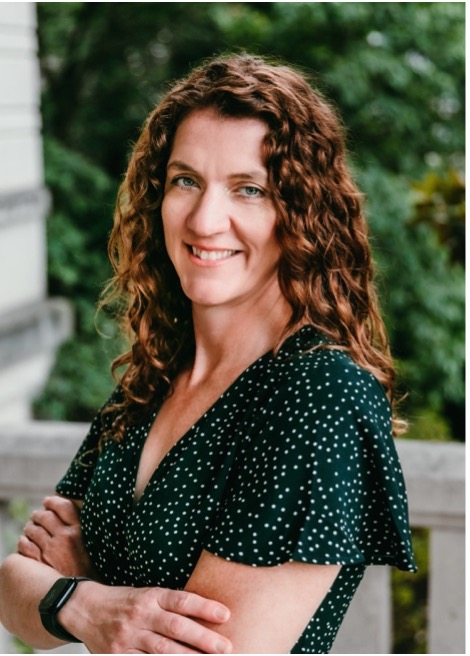
“Students with high-intensity needs deserve educators who are deeply trained in evidence-based practices and who know how to work as part of a coordinated team,” said Rose Osnaya, professor of special education and principal investigator on the grant. “BRIDGE is designed to prepare professionals who can collaborate across disciplines and deliver cohesive, high-quality services that make a real difference in schools and families’ lives.”
Addressing a critical shortage
Schools across Missouri and the nation face ongoing shortages of special education teachers and board certified behavior analysts. At the same time, students with high-intensity needs require specialized, coordinated services to support academic, social and behavioral development.
BRIDGE brings together two graduate pathways:
- Eleven scholars will earn a Master of Education in Special Education with an Autism Education Certificate and complete requirements to become a Registered Behavior Technician
- Eleven scholars will earn a Master of Science in Applied Behavior Analysis and complete requirements to become a Board Certified Behavior Analyst
Both groups will receive shared training in interprofessional collaboration, family engagement and high-leverage practices for students in kindergarten through sixth grade.
The program is delivered in a hybrid format, allowing scholars to attend classes on campus or via Zoom while completing practicum experiences in schools, clinics and community settings.
Research-driven preparation
BRIDGE builds on nationally recognized master’s programs in special education and applied behavior analysis. Scholars will complete discipline-specific coursework aligned with national professional standards while also engaging in joint seminars, collaborative case studies and interprofessional practicum experiences.
Graduate students will learn to conduct assessments, implement evidence-based practices with fidelity and use data to guide instruction and intervention. Training emphasizes collaboration with families, school personnel and related service providers to ensure students receive cohesive, coordinated support.
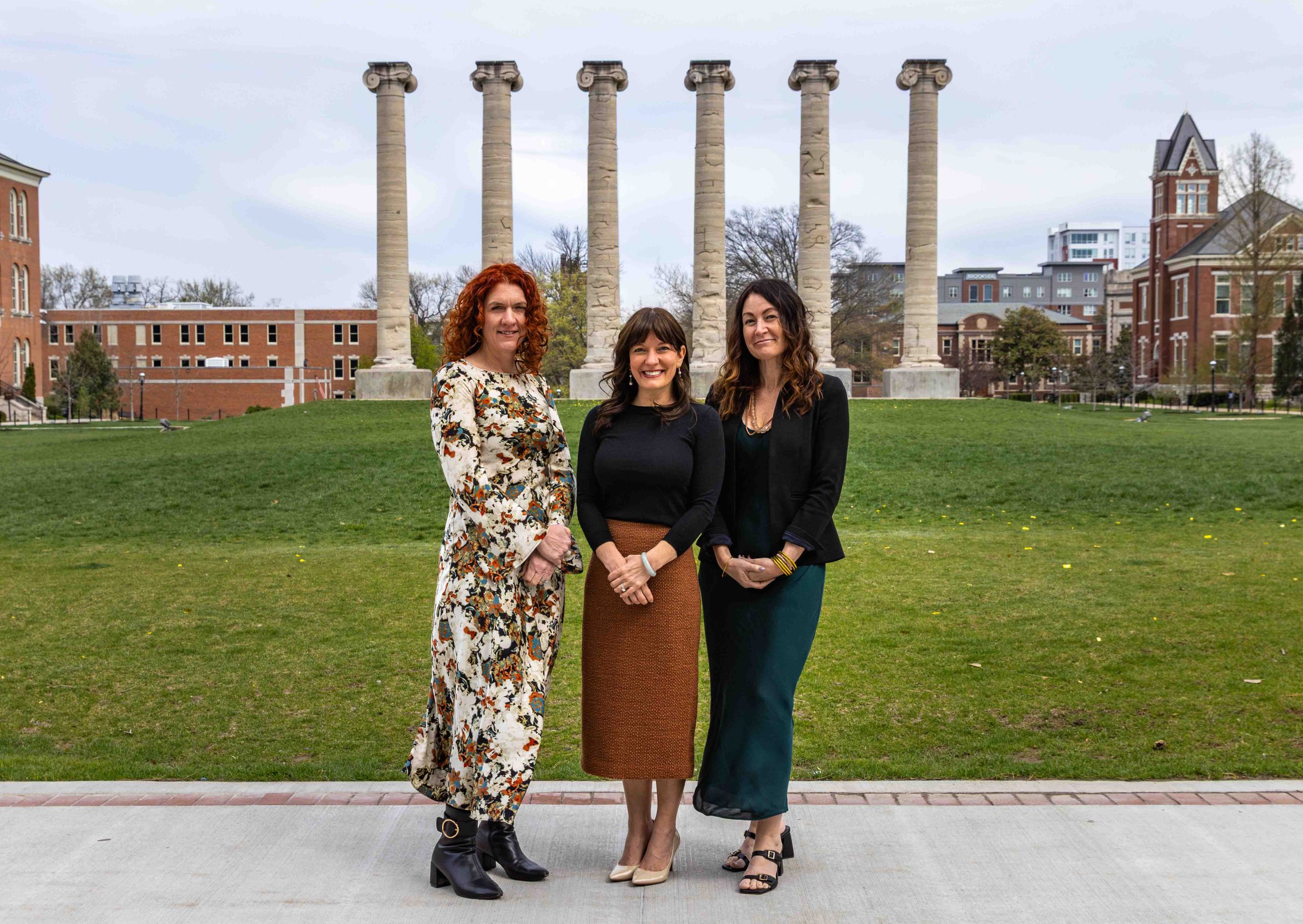
Osnaya is joined on the project by Jena Randolph, assistant research professor and director of online graduate programs, and Kate Sadler, assistant teaching professor and director of the Applied Behavior Analysis Program. Together, the faculty team brings expertise in applied behavior analysis, autism education, family-centered practices and interprofessional training.
Through intensive supervision and mentorship, scholars will participate in simulated and authentic Individualized Education Program meetings, interdisciplinary planning sessions and clinical placements designed to mirror the team-based environments in which they will work after graduation.
Long-term impact
The goal of BRIDGE extends beyond degree completion. Scholars will commit to a service obligation following graduation, helping address workforce shortages in schools and educational agencies.
By preparing 22 highly trained professionals over five years, the program is expected to directly impact hundreds of elementary students annually. Over the course of their careers, BRIDGE graduates have the potential to influence thousands of children with high-intensity needs and the educators who serve them.
Applicants must be admitted to either the Master of Science in Applied Behavior Analysis or the Master of Education in Special Education–Autism program, have an undergraduate GPA of 3.25 or higher and demonstrate experience working with children with disabilities.
For students seeking a graduate program that combines full funding, research-based preparation and meaningful impact in schools, BRIDGE offers a rare opportunity.
To learn more about the BRIDGE program and application requirements, contact Rose Osnaya at roseosnaya@missouri.edu.